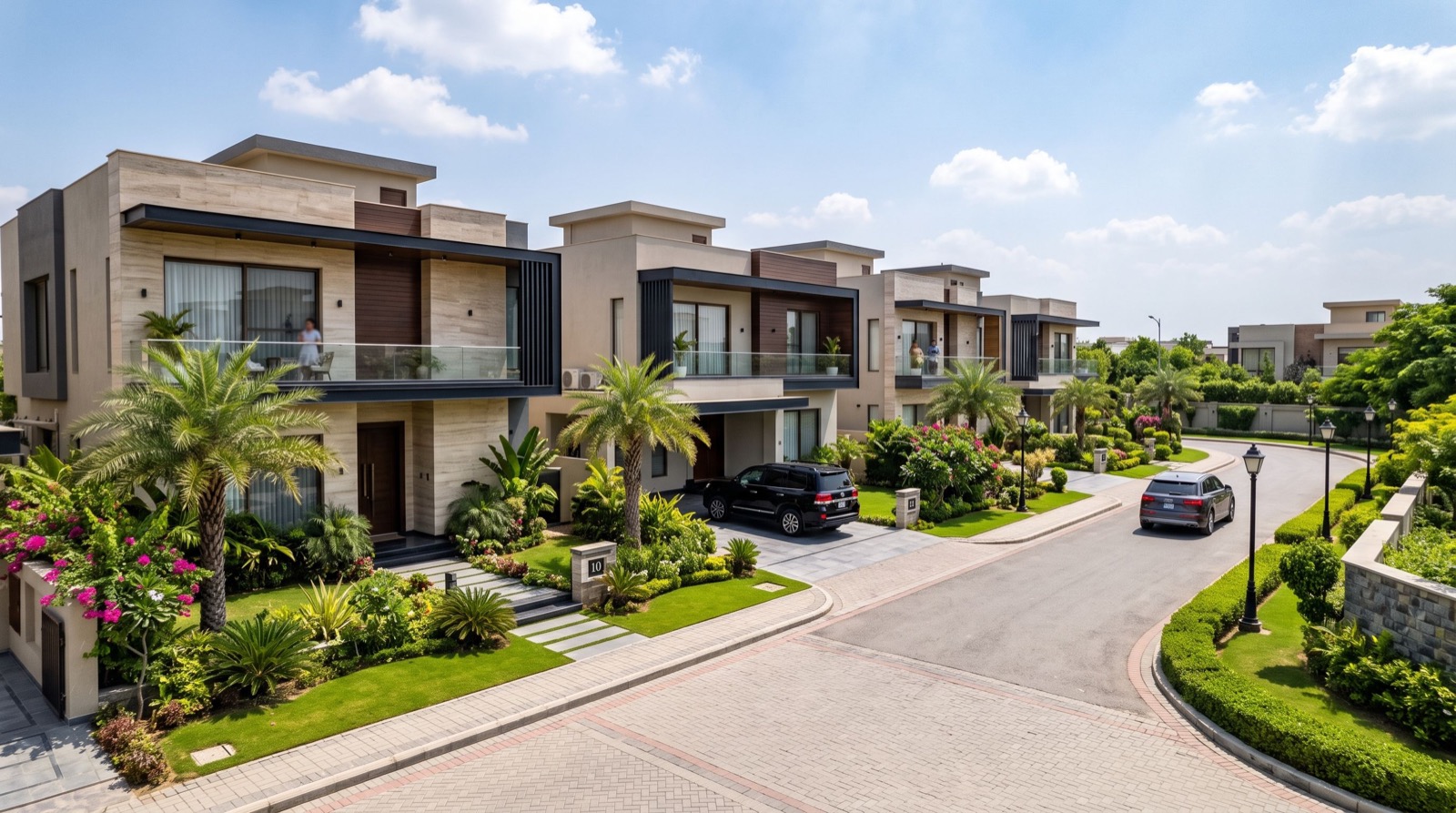

6 Marla Commercial Plot: The 2026 Investor’s Advantage
A 6 Marla commercial plot has quietly become one of the smartest entry points for investors who want rental income and capital growth without the price tag of a full commercial block. In 2026, as the twin cities push outward along the Ring Road and new business corridors mature, this plot size hits a sweet spot. It is large enough to host real commercial activity, yet affordable enough for first-time commercial buyers. This guide explains why the format works and how to buy one without costly mistakes.
Commercial land plays by different rules than residential. Footfall, frontage, and zoning drive returns here, so the decision deserves a sharper lens than a simple price comparison.
Why a 6 Marla Commercial Plot Works So Well
The appeal is balance. A 6 Marla commercial plot gives you enough width for a shop-and-office combination or a small plaza, while keeping the capital requirement within reach of individual investors rather than only developers. That accessibility is why demand in planned societies stays strong even through quiet market phases.
Frontage matters most. A wider road face, especially along an 80-foot boulevard, multiplies both rental appeal and resale value. Smart buyers chase a 6 Marla Commercial Plot with prime frontage because tenants pay a premium for visibility and easy customer access.
Income and growth in one asset
Unlike a residential plot that only appreciates, a developed commercial plot earns rent while it grows in value. That dual return is the core advantage. A ground-floor retail unit can be leased within weeks of handover in a busy corridor, turning idle land into a cash-generating asset.
Commercial vs Residential: Where the Returns Diverge
Before committing, understand how the two asset classes behave differently. The table below lays out the practical contrasts investors weigh in 2026.
| Factor | Commercial plot | Residential plot |
|---|---|---|
| Rental yield | 6% – 10% typical | 2% – 4% typical |
| Entry price | Higher per Marla | Lower per Marla |
| Tenant demand | Driven by footfall | Driven by housing need |
| Capital growth | Fast in active corridors | Steady and broad |
| Best frontage | Boulevard, main road | Park, corner |
One original insight experienced investors rely on: in commercial, the plot that looks expensive per Marla is often the cheaper investment once you factor rental yield. A prime boulevard unit at a higher price can pay back faster than a cheaper interior plot that struggles to attract tenants.
What to Verify Before You Buy
Commercial due diligence is unforgiving, so never skip the checks. Keep this list in front of you during every deal:
- Zoning: Confirm the plot is formally designated commercial, not residential-with-permission.
- Frontage width: Measure the actual road face, not the brochure figure.
- Floor area ratio: Check how many floors and how much covered area you may build.
- Parking rules: Commercial tenants demand parking; confirm the society’s provision.
- Approval status: Verify the commercial layout is sanctioned by the development authority.
Zoning and construction rules are published by regulators, so verify them at source. The Capital Development Authority and its Rawalpindi counterpart set the building bylaws that determine exactly what you can construct and lease, which directly shapes your return.
Scale up when the numbers fit
Investors who outgrow a single shop-level plot often move toward larger vertical formats. A 5.5 Kanal High Rise Plots opportunity allows approved multi-storey development, where a single footprint can host retail, offices, and apartments stacked for maximum yield.
How Do You Calculate the Real Return on a Commercial Plot?
Headline prices mislead; cash flow tells the truth. Work through the numbers with this sequence before you sign anything:
- Estimate realistic monthly rent for the completed unit in that specific corridor.
- Add construction cost to the plot price to find your total invested capital.
- Divide annual rent by total capital to get your gross yield percentage.
- Subtract maintenance, tax, and vacancy allowance to reach the net yield.
- Compare that net figure against alternative investments before committing.
Guidance from dependable specialists can sharpen these estimates, because local rental benchmarks and tenant demand vary street by street. A number that looks strong on paper must survive a reality check from people who track the corridor daily.
Timing, Taxes, and Exit Strategy
Commercial values move faster than residential, so timing your entry pays off. Buying during an early development phase, before anchor tenants arrive, usually secures the lowest price before the corridor matures and prices re-rate.
Budget for taxes and transfer costs from the outset. Rates on commercial property transactions are set federally, and the current structure is published by the Federal Board of Revenue, so factor withholding and transfer taxes into your total cost before you calculate yield.
Finally, plan your exit before you enter. Decide whether you intend to hold for rent, build and lease, or flip after appreciation. A clear exit strategy keeps emotion out of the decision and locks in your gains at the right moment.
Frequently Asked Questions
Is a 6 Marla commercial plot a good first investment?
Yes. It balances affordability with genuine commercial utility, letting individual investors earn rent and capital growth without the cost of a full plaza. Prioritize prime frontage and confirmed commercial zoning for the best results.
How much more does a commercial plot yield than residential?
Commercial plots typically yield 6% to 10% annually once developed, compared with 2% to 4% for residential land. The higher return reflects tenant demand driven by footfall and the income a developed unit generates.
What is the most important factor when choosing a commercial plot?
Frontage and location dominate. A wider road face on a boulevard attracts tenants and commands premium rent, so a well-positioned plot often outperforms a cheaper interior one on total return.
What taxes apply when buying a commercial plot?
Expect withholding and transfer taxes set federally, plus provincial stamp duty and society transfer fees. Check the current rates with the Federal Board of Revenue and budget for them before calculating your net yield.
Final Thoughts
A 6 Marla commercial plot offers a rare blend of accessible entry price and real income potential, making it one of 2026’s standout choices for building wealth in the twin cities. Verify zoning and frontage, run honest yield math, budget for taxes, and define your exit before you buy. Approach it with that discipline and this compact commercial asset can outperform far larger investments, rewarding the investor who did the homework rather than the one who chased the lowest number.