Chilled Storage in Jeddah: The 2026 Guide to Keeping Sensitive Goods Cool
Chilled storage in Jeddah is essential for anyone who handles perishable or temperature-sensitive products in one of the hottest, most humid cities in Saudi Arabia. Jeddah’s coastal position on the Red Sea means high humidity year-round and summer temperatures that soar above 40°C. In that climate, goods that need to stay cool spoil quickly without proper refrigeration. This 2026 guide explains what chilled storage is, which products need it, and how to protect everything from food and medicine to certain cleaning supplies.
Whether you run a restaurant, a pharmacy, a supermarket, or simply want a safe place for temperature-sensitive household items, understanding chilled storage helps you avoid waste, stay compliant, and protect your budget.
What Is Chilled Storage and Why Jeddah Depends On It
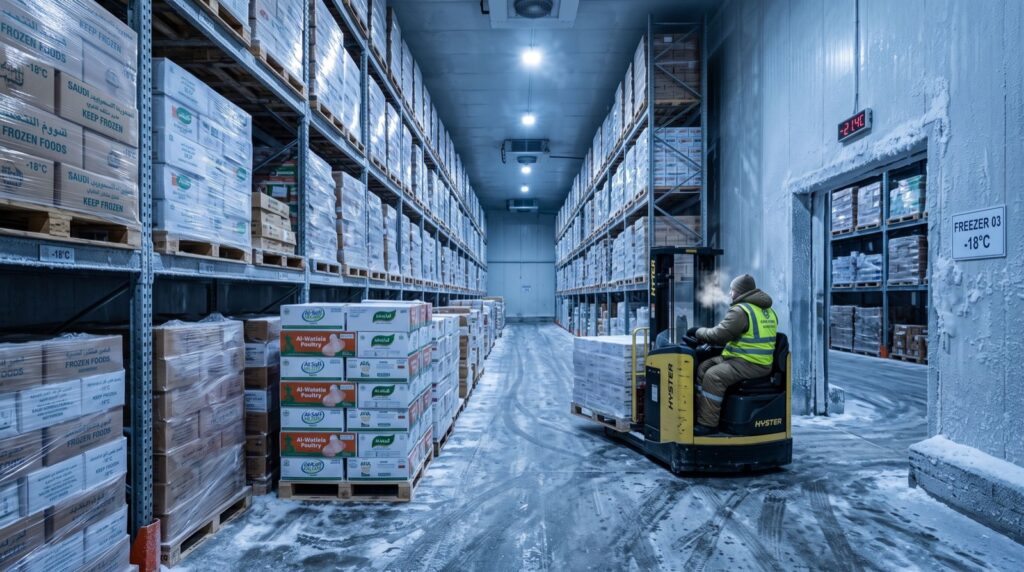
Chilled storage keeps goods at a steady refrigerated temperature, usually between 2°C and 8°C, without freezing them. This range slows bacterial growth and chemical breakdown while keeping products in their natural, usable state. It is the standard for fresh food, dairy, many medicines, and other items that degrade in heat.
Jeddah’s humidity makes this even more critical than in inland cities. Warm, damp air accelerates spoilage and mold, so a reliable Chilled Storage in Jeddah unit protects products that a normal room or basic fridge simply cannot handle at scale. For businesses, that reliability is the difference between profit and daily losses.
Products That Need Chilled Storage
- Fresh produce, dairy, meat, and prepared foods.
- Medicines, vaccines, and temperature-sensitive supplements.
- Certain cosmetics and biological products.
- Beverages and specialty ingredients for restaurants.
- Select chemical and cleaning products that degrade in heat.
The Cold Chain and Why It Cannot Break
The cold chain is the unbroken sequence of refrigerated steps that keeps a product cool from source to end user. If it breaks even briefly, bacteria multiply and quality drops. The World Health Organization stresses that maintaining a consistent cold chain is vital for the safety and effectiveness of vaccines and many medicines, which is why professional chilled storage matters so much in a hot climate.
For food businesses, a broken cold chain means spoiled stock, health risks, and potential fines. Chilled storage with backup power, monitoring, and alerts keeps temperatures stable even during the outages and heat spikes that Jeddah summers can bring.
Can You Store Cleaning Supplies in Chilled Storage?
Some cleaning and chemical products are surprisingly sensitive to heat. High temperatures can cause certain solutions to separate, lose potency, build up pressure in containers, or even become hazardous. Storing them cool and stable extends their shelf life and keeps them safe to handle.
For businesses that hold large quantities of detergents, sanitizers, and specialty chemicals, a dedicated Storage for Cleaning Supplies solution provides controlled conditions and proper organization. Partnering with an experienced local team ensures your supplies are stored to the correct standard and are easy to access when you need them.
Safety Tips for Storing Cleaning Products
- Always check the label for the recommended temperature range.
- Keep chemicals separated from food and beverages.
- Store containers upright with tight, secure lids.
- Keep incompatible chemicals well apart to avoid reactions.
- Ensure good ventilation and clear labeling in the storage area.
Chilled Storage vs Frozen and Ambient Options
Choosing the right temperature band saves money and prevents damage. Freezing some products ruins them, while leaving others at room temperature spoils them fast. Here is how the main options compare in 2026.
| Storage Type | Temperature | Ideal For |
|---|---|---|
| Ambient | 15–25°C | Dry goods, packaged items |
| Chilled | 2–8°C | Fresh food, medicine, dairy |
| Frozen | Below 0°C | Frozen food, long-term perishables |
Choosing a Chilled Storage Provider in Jeddah
Not all cold storage is equal. When you compare providers, look beyond price and check the details that protect your goods. Temperature monitoring, backup power, hygiene standards, and quick access all matter, especially in a demanding coastal climate.
What to Look For
- Consistent, monitored temperatures with alerts and records.
- Backup generators to survive power cuts and heat waves.
- Clean, well-maintained units that meet safety standards.
- Flexible unit sizes that grow with your business.
- Convenient location and reliable access hours.
How Businesses Save Money With Chilled Storage
Chilled storage is not just protection; it is a cost-saving tool. By storing bulk stock safely, businesses buy at better prices, reduce spoilage waste, and avoid emergency restocking. Restaurants keep fresh ingredients ready, pharmacies stay compliant, and retailers protect margins during Jeddah’s long, hot season.
Outsourcing cold storage also removes the burden of buying, running, and maintaining expensive refrigeration equipment. You pay for the space you need and let specialists handle the rest, which frees up capital for growth in 2026.
Scalability is another quiet benefit. During busy seasons, holidays, or promotions, demand can spike suddenly, and a business that can expand its chilled space on short notice avoids turning customers away. When demand cools, you scale back and stop paying for space you no longer use. This flexibility lets even a small Jeddah operation compete with larger rivals without locking up cash in equipment it may outgrow.
Frequently Asked Questions
What temperature does chilled storage maintain?
Chilled storage typically holds goods between 2°C and 8°C. This keeps products cool and fresh without freezing them, which is ideal for food, dairy, medicines, and other temperature-sensitive items in Jeddah’s hot climate.
Is chilled storage necessary in Jeddah’s climate?
Yes. Jeddah’s high heat and humidity spoil perishable and temperature-sensitive goods quickly. Chilled storage maintains a stable cool environment that basic rooms and small fridges cannot reliably provide, protecting quality and safety.
Can cleaning supplies really be affected by heat?
Some can. Heat may cause certain cleaning solutions and chemicals to separate, lose strength, or build pressure. Storing sensitive supplies in cool, controlled conditions extends their shelf life and keeps them safer to handle.
What happens if the cold chain breaks?
When the cold chain breaks, temperatures rise and bacteria multiply, spoiling food and reducing the effectiveness of medicines. Professional chilled storage with monitoring and backup power prevents these gaps and keeps your goods safe.
Conclusion
Chilled storage in Jeddah is a smart safeguard against a climate that punishes perishable and temperature-sensitive goods. By keeping products between 2°C and 8°C, maintaining an unbroken cold chain, and choosing a reliable provider, you protect quality, safety, and your bottom line. From fresh food and medicine to heat-sensitive cleaning supplies, the right chilled unit keeps everything in top condition. Review what you store, match it to the correct temperature, and let professional cold storage do the hard work through every Jeddah summer.